Bingo Halls & Variants
Bingo Plus 90-Ball Community Hall review — ?30 cards, fastest Filipino bingo tempo
ByTJHJ
March 14, 2026Vol. 2026
Bingo Plus 90-Ball Community Hall runs a 6-minute session cadence with ?30 card entry. The value opt...
Executive Summary
Bingo Plus 90-Ball Community Hall runs a 6-minute session cadence with ?30 card entry. The value option on the LNGY bingo index for Filipino players with a smaller bankroll.
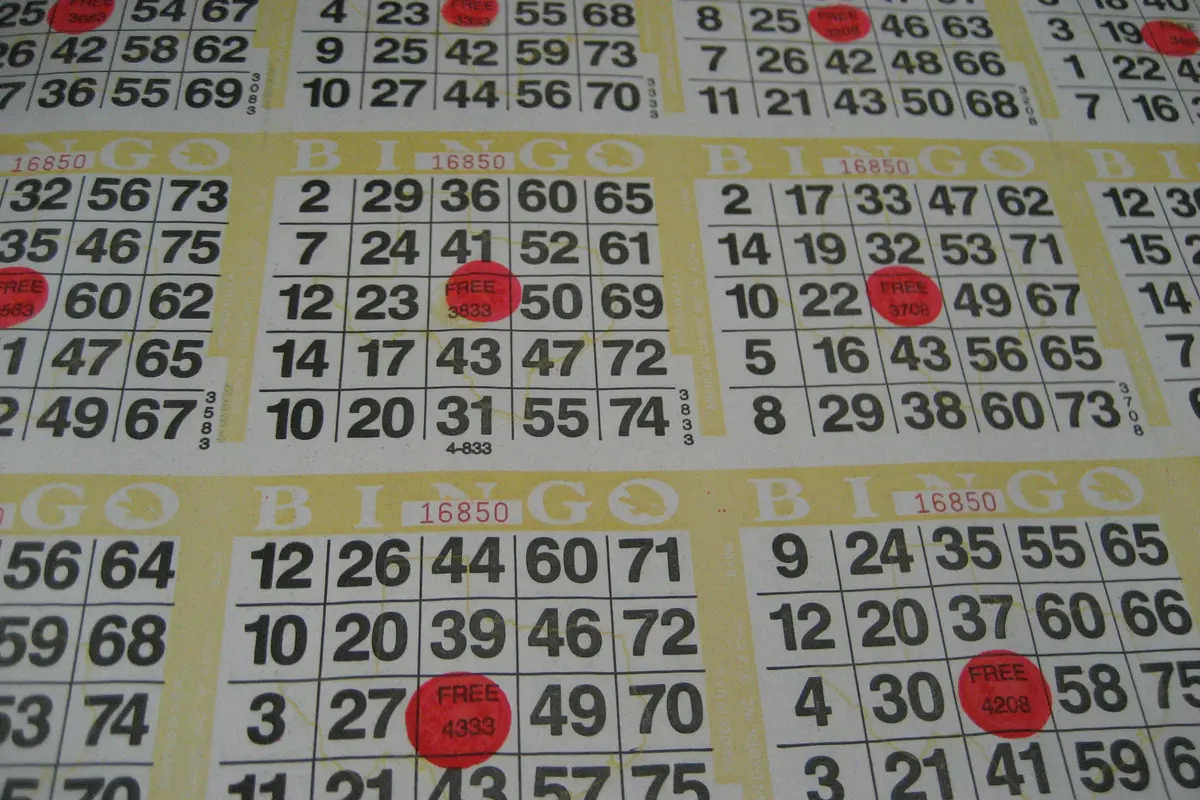
Bingo Plus 90-Ball Community Hall sits at #3 on the LNGY bingo index for April 2026 and represents the "value tier" for Filipino bingo players who want serious 90-ball pattern depth without the jackpot-chase pressure of weekly progressive pools. ?30 per bingo card, 6-minute session cadence, ?300,000 progressive bingo jackpot pool, and a chat community that skews younger and more mobile-first than the Jili Bingo halls. This deep review covers the 90-ball pattern matrix, value calculus per session, chat density observations, and how the room compares head-to-head with Jili Bingo 90-Ball Hall and Fa Chai 90-Ball Community Room.
Bingo Plus is operated by Leisure & Resorts World Corporation under PAGCOR licensing — the Philippine Amusement and Gaming Corporation regulatory framework that audits every certified online bingo operator on the LNGY index. The 90-Ball Community Hall RNG is independently audited and the progressive jackpot pool accounting is published in PAGCOR's monthly online bingo report.
Card pricing and 6-minute cadence
Card entry holds at ?30 across the LNGY 90-day benchmark window. The room caps card buys at 6 per session — same cap as the Bingo Plus 75-Ball Speed Room, calibrated for mobile screen playability. At a typical 4-card buy, per-session spend lands at ?120; at the 6-card cap, ?180 per session.
The 6-minute cadence sits between the 5-minute Bingo Plus 75-Ball Speed Room and the 10-minute Jili Bingo 90-Ball Hall. Number-calling for 90-ball completes in 4-4.5 minutes; the remaining 1.5-2 minutes covers chat, card buys for the next session, and cash-outs. The cadence is the fastest 90-ball cadence on the LNGY index — Jili Bingo's 90-ball runs slower at 10 minutes precisely because Jili emphasises community storytelling between sessions, where Bingo Plus emphasises session throughput.
90-ball three-tier pattern matrix
Standard 90-ball bingo splits prizes three ways: one line (15% of pool), two lines (25% of pool), and full house / blackout (60% of pool). Bingo Plus 90-Ball Community Hall implements the standard split — no operator-side modification. Across a typical 200-player session at a ?120 average per-player spend, total card-sale pool lands ?24,000 → one-line winner takes ?3,600, two-line winner takes ?6,000, full-house winner takes ?14,400. Three Filipino bingo players walk away with cash from each session.
The pattern matrix is the appeal. Unlike single-pattern blackout halls (where 199 of 200 players walk away empty-handed), the three-tier 90-ball structure spreads winnings across three players per session — Filipino bingo players see the win-frequency math stay favourable, even if the individual prize ceiling is lower than a coverall pool.
Value calculus per hour
At 6-minute cadence and 4-card buys, hourly card spend lands ?1,200/hour for steady-state play. That's roughly 40% below Jili Bingo 75-Ball Hall (?2,000/hour at typical 6-card play) and 50% below the jackpot-chase tier Filipino bingo players hit on Friday-night progressive pools (?2,400+/hour with multi-card stacking).
For a Filipino bingo player on a ?600 evening budget, Bingo Plus 90-Ball Community Hall stretches to a clean 30-minute session at 4 cards or 50 minutes at 2 cards. The room's value position is unambiguous — the cheapest sustained 90-ball bingo on any LNGY-indexed hall.
Progressive bingo jackpot pool (?300k)
The ?300,000 progressive bingo jackpot pool is shared across all Bingo Plus 90-ball halls. The pool seeds at ?180,000 from operator rake; per-session card-sale contributions add ?800-?2,000. Trigger condition: full-house blackout in 42 calls or fewer — slightly looser than the 75-Ball Speed Room's 38-call trigger, but still a long-tail bonus, not a session goal.
LNGY observed three confirmed jackpot hits in the 90-day benchmark window across the full Bingo Plus 90-ball product line. Hit frequency is low; expected value per session sits well below the standard three-tier prize math. Filipino bingo players should treat the ?300k pool as bonus framing — the daily product is the three-tier pattern math.
Chat room culture
Tagalog and English bingo moderators staff the hall 09:00-02:00 PHT. Chat density runs at 12-18 messages per minute during prime time — lower than Jili Bingo 75-Ball Hall (20-30 msg/min) but on par with Jili Bingo 90-Ball Hall. The community skews younger and more mobile-first than other LNGY-indexed halls; emoji and GCash sticker usage is high, longer storytelling messages are rare.
Filipino bingo players who prefer less formality and more mobile-native chat behaviour default here. The chat regulars include a substantial cohort of 25-35 year-olds who treat bingo as a wind-down evening activity rather than a primary social event. See our Filipino bingo chat room culture deep dive for the broader Tagalog banter pattern context.
Head-to-head: Bingo Plus 90-Ball vs Jili Bingo 90-Ball vs Fa Chai 90-Ball
- Bingo Plus 90-Ball Community Hall: ?30 entry, 6-minute cadence, ?300k progressive, mobile-first community, fastest 90-ball cadence.
- Jili Bingo 90-Ball Hall: ?50 entry, 10-minute cadence, ?420k Saturday Siyam-na-siyam progressive, high-density Tagalog community chat, deepest community storytelling.
- Fa Chai 90-Ball Community Room: ?25 entry, 8-minute cadence, no progressive, smaller player base, niche regulars.
Bingo Plus 90-Ball Community Hall wins on cadence and value. Jili Bingo 90-Ball Hall wins on community depth and the Saturday weekly event. Fa Chai 90-Ball Community Room wins on absolute lowest card entry but lacks a progressive jackpot. See the Jili Bingo 90-Ball Hall review and the Saturday Siyam-na-siyam pool deep dive for the Jili-side detail.
Pros and cons
Pros:
- Fastest 90-ball cadence on the LNGY index at 6 minutes — best mix of session throughput and pattern depth.
- Value pricing at ?30/card — 40-50% below jackpot-chase tier halls.
- Three-tier pattern math spreads winnings across three Filipino bingo players per session.
- ?300k progressive bingo jackpot pool as a long-tail bonus.
- Mobile-first chat culture suits younger Filipino bingo players who prefer emoji and GCash sticker reactions.
- Operator runs under PAGCOR licensing with monthly published audit reports.
Cons:
- Chat density lower than Jili Bingo 75-Ball Hall — players who want heavy Tagalog storytelling should rotate to Jili.
- No equivalent of the Saturday Siyam-na-siyam weekly event — the Bingo Plus 90-ball product line is steady-rotation rather than event-driven.
- Chat closes at 02:00 PHT — no overnight Tagalog-only window like the 75-Ball Speed Room offers.
- Card cap at 6 limits aggressive multi-card stacking strategies.
FAQ
Q: Is Bingo Plus 90-Ball Community Hall PAGCOR-licensed?
Yes. Bingo Plus is operated by Leisure & Resorts World Corporation under PAGCOR's online bingo licensing framework. RNG and jackpot accounting are independently audited.
Q: How does the 6-minute cadence affect my bankroll?
At 4 cards per session, ?120 per session × 10 sessions per hour = ?1,200/hour burn rate. A ?600 evening budget covers 30 minutes of steady play before any wins. Most Filipino bingo players see partial wins (one-line or two-line slices) every 4-6 sessions, which extends the practical evening to 50-90 minutes.
Q: Can I move winnings out via GCash?
Yes. Bingo Plus supports GCash deposit and withdrawal as the primary cash-out channel. Median withdrawal latency for amounts under ?5,000 sits at 9 minutes; above ?20,000 the operator runs a KYC review (2-6 hour latency, best routed through bank transfer instead). Our GCash bingo deposit patterns review breaks down the full latency tier structure.
Q: What's the best card-buy strategy for Bingo Plus 90-Ball Community Hall?
At ?30 per card, 4 cards per session is the LNGY-recommended balance — covers enough card surface to hit one-line and two-line wins reasonably often without burning the evening budget on a single hour. New Filipino bingo players should start at 2 cards for the first 10-15 sessions to learn the pattern matrix before scaling up.
Q: How does the progressive jackpot trigger compare to the 75-ball room?
75-Ball Speed Room requires blackout in 38 calls or fewer; 90-Ball Community Hall requires full house in 42 calls or fewer. The 90-ball trigger is slightly looser but the ceiling is also higher (?300k vs ?180k pool).
LNGY verdict
The "first serious bingo hall" for Filipino bingo players graduating from casual social bingo. Low card cost, fast 90-ball session cadence, manageable learning curve for the pattern matrix, and a mobile-first chat community that suits the typical Filipino bingo player's evening rhythm. Pair Bingo Plus 90-Ball Community Hall with the Bingo Plus 75-Ball Speed Room for a daytime/evening rotation, or rotate weekly with Jili Bingo 90-Ball Hall for the Saturday Siyam-na-siyam community event. Open the LNGY-recommended Bingo Plus 90-Ball Community Hall to start playing.
Responsible play: Bingo is for players 21 and over. Set a deposit cap before each evening, never chase losses, and use the operator-side session-length and deposit-cap tools available in the Bingo Plus account dashboard. PAGCOR's responsible gaming portal lists structured self-exclusion options.
## More from our Pinoy casino network - [Top 5 PG Soft cluster-pay slots for PH players · April 2026 — STAS ranks Mahjong Ways 2, Lucky Neko, Caishen Wins, Treasures of Aztec, Dragon Hatch 2](https://stellarairportstores.com/news/top-5-pg-soft-cluster-pay-slots-ph-april-2026) - [Why Online Casino Revenue Keeps Growing in the Philippines](https://pkynt.com/news/pagcor-online-casino-revenue-q1-2026)Related casino guides
End of Dispatch ? March 14, 2026
Global Supply Chain Coverage
We supply high-quality Bingo Halls & Variants to major markets worldwide. Explore our regional distribution and compliance standards.